
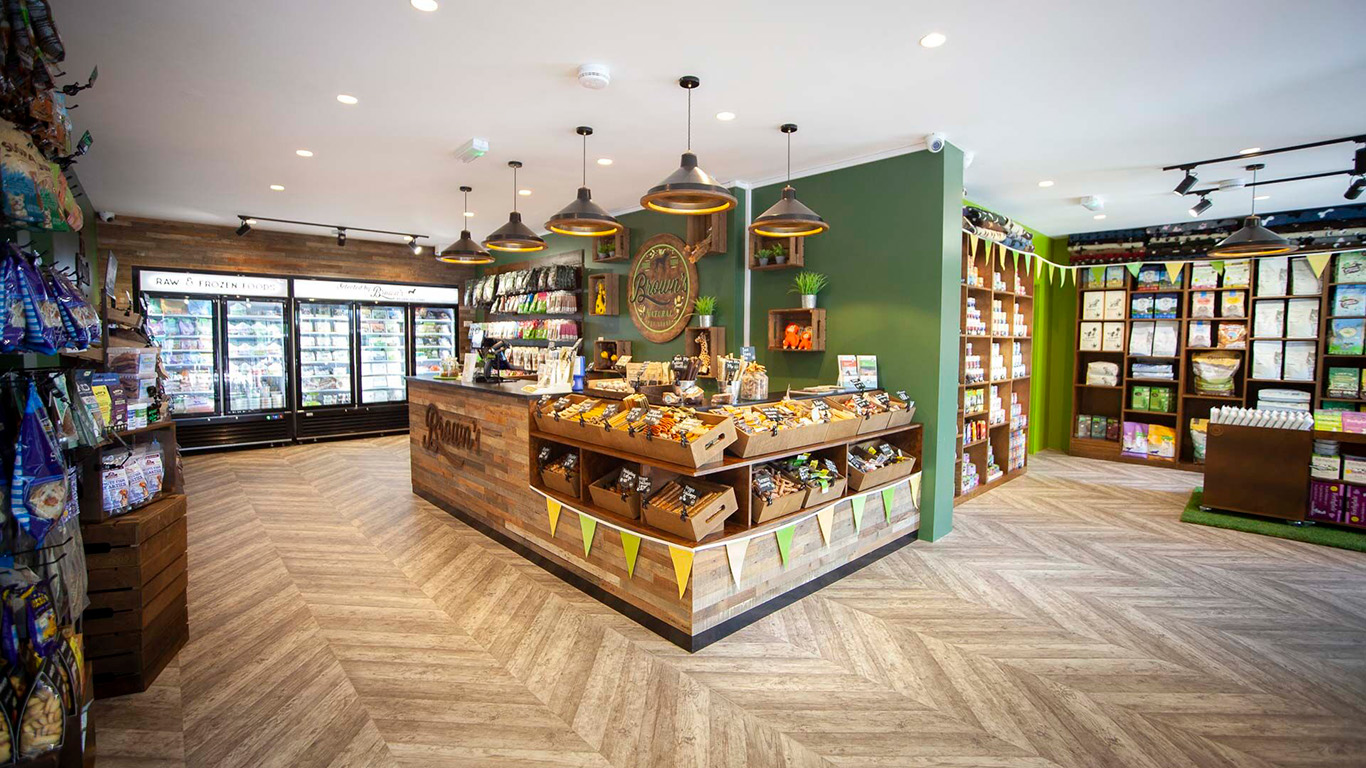
The pet shop business in Iran has evolved from a small, fragmented retail segment into a recognizable niche market with growing consumer awareness. Pet ownership, particularly among urban households, has increased steadily, bringing new expectations around product quality, service, and reliability. At the same time, the industry operates in a complex environment shaped by import dependency, pricing instability, and operational uncertainty.
For entrepreneurs and investors, the Iranian pet market presents a mixed picture. On one hand, demand for pet food, accessories, and care products continues to grow. On the other, external pressures make short-term planning difficult and increase business risk. Success in this market depends less on rapid expansion and more on understanding structural challenges, adapting business models, and building long-term customer trust.
This article provides a realistic overview of the pet shop business in Iran. It examines key challenges, changing consumer behavior, and emerging opportunities, offering practical insights for those interested in building or investing in a sustainable pet retail operation.
Overview of the Pet Shop Industry in Iran
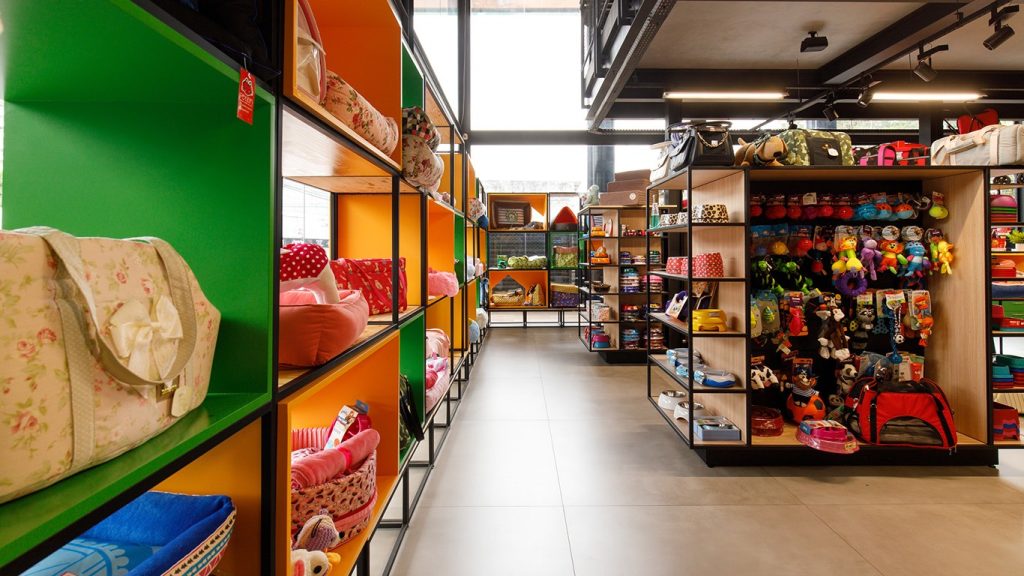
The Iranian pet shop industry is still relatively young compared to mature international markets, but it has shown consistent growth over recent years. Urbanization, lifestyle changes, and increased exposure to global pet care standards have contributed to rising demand for pet-related products and services. Dogs and cats remain the dominant companion animals, shaping the product mix in most retail stores.
Consumer behavior has also changed. Pet owners are no longer focused only on basic feeding; many now seek specialized food, hygiene products, and accessories that improve quality of life. This shift has expanded average basket size while increasing expectations around product knowledge and availability.
Despite this growth, the market remains uneven. Larger cities support more advanced pet shops, while smaller regions rely on limited offerings. This uneven development creates both opportunity and risk, especially for businesses that plan to scale without adapting to local demand patterns.
Key Challenges Facing Pet Shop Businesses in Iran
Operating a pet shop in Iran involves navigating a set of interconnected challenges. These challenges affect inventory planning, pricing strategies, and long-term profitability.
Key Challenges and Business Impact
| Challenge | Business Impact | Risk Level |
| Import restrictions | Product shortages, limited brand variety | High |
| Currency fluctuations | Unstable pricing, margin pressure | High |
| Regulatory uncertainty | Delays, compliance costs | Medium |
| Supply chain inconsistency | Customer dissatisfaction | Medium |
Import Restrictions and Supply Chain Limitations
A significant portion of pet shop inventory in Iran depends on imported products, including premium pet food, supplements, grooming items, and accessories. This import dependency exposes retailers to supply chain disruptions, customs delays, and inconsistent product availability.
When imports slow down, pet shops often face gaps in inventory or reduced brand variety. This makes it difficult to meet customer expectations and maintain consistent product lines. Retailers may be forced to replace popular items with unfamiliar alternatives, which can weaken customer confidence and loyalty.
Currency Fluctuations and Pricing Instability
Currency volatility is one of the most persistent challenges for pet shop businesses. Imported products are typically priced in foreign currencies, meaning exchange rate changes directly affect wholesale and retail costs.
As a result, pricing can become unstable, forcing frequent adjustments that confuse customers and compress profit margins. Retailers must balance affordability with cost recovery, often without clear visibility into future pricing. This instability complicates long-term planning and increases operational stress, particularly for small businesses with limited financial buffers.
Regulatory and Operational Challenges
Pet shop operations also face regulatory and operational complexity. Licensing requirements, compliance standards, and administrative procedures can vary, creating uncertainty for business owners. Operational challenges such as sourcing reliable suppliers, managing storage conditions, and maintaining consistent quality add further pressure.
While these issues are not unique to the pet industry, they disproportionately affect niche retailers with limited scale. Businesses that lack structured processes may struggle to adapt quickly, increasing the risk of disruption.
Changing Consumer Behavior in the Iranian Pet Market
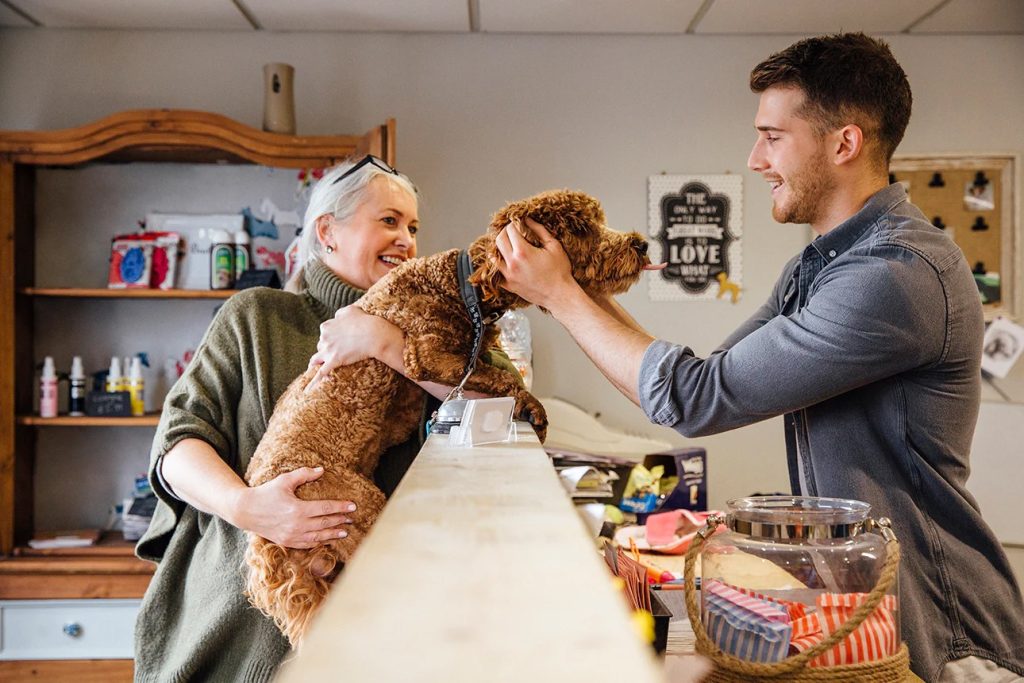
Iranian pet owners have become more informed and selective over time. Access to online content, social media, and international comparisons has raised awareness about nutrition, hygiene, and responsible pet care. Many customers now ask detailed questions and expect transparent information about products.
At the same time, price sensitivity remains high. While some consumers are willing to pay more for perceived quality, most carefully compare options and seek value rather than premium branding alone. This has led to more cautious purchasing behavior and reduced tolerance for unexplained price increases.
Trust plays a central role in decision-making. Customers tend to return to pet shops that provide consistent advice, honest pricing, and reliable availability. This shift rewards businesses that invest in relationships rather than transactional sales.
Key Opportunities in the Iranian Pet Shop Market
Despite its challenges, the Iranian pet market offers meaningful opportunities for businesses that adapt to current realities.
Market Opportunities and Strategic Value
| Opportunity | Description | Long-Term Potential |
| Online pet shops | Lower overhead, wider reach | High |
| Specialized products | Higher margins, differentiation | High |
| Local production | Price stability, supply security | Medium–High |
| Private label brands | Brand control, customer loyalty | High |
Growth of Online and Omnichannel Pet Shops
E-commerce has become an increasingly important channel for pet product sales. Online pet shops offer convenience, wider reach, and lower overhead compared to traditional retail. Many customers now research products online before purchasing, even if the final transaction happens offline.
An omnichannel approach—combining physical presence with online ordering and communication—allows pet shops to serve customers more flexibly. Digital channels also enable better inventory planning and customer engagement through direct feedback and data insights.
Rising Demand for Specialized and Premium Products
While price sensitivity exists, demand for specialized products is growing. This includes breed-specific food, age-appropriate nutrition, grooming solutions, and lifestyle accessories. These products allow retailers to differentiate themselves beyond basic commodity sales.
Specialization does not necessarily mean high volume. Even limited assortments of carefully selected niche products can increase margins and attract loyal customers. The key is aligning offerings with real customer needs rather than chasing trends.
Local Production and Private Label Opportunities
Local production presents an important strategic opportunity for reducing dependency on imports. Domestically produced pet food, hygiene products, and accessories can offer more stable pricing and supply continuity.
Private label products allow pet shops to control formulation, branding, and margins while building unique identity. Although quality control and consumer trust take time to establish, private labels can become strong assets in an unstable import environment.
For businesses with sufficient scale or partnerships, investing in local sourcing can improve resilience and long-term competitiveness.
Strategies for Building a Sustainable and Trusted Pet Shop
Sustainability in the pet shop business depends on disciplined execution rather than rapid expansion. Inventory planning should prioritize reliable, fast-moving items while limiting exposure to high-risk imports.
Pricing transparency is essential. Customers are more accepting of price changes when reasons are explained clearly and honestly. Building trust through communication reduces friction during periods of volatility.
Training staff to provide accurate, practical guidance adds value beyond product sales. Knowledgeable service differentiates serious retailers from opportunistic sellers and strengthens long-term relationships.
Future Outlook of the Pet Shop Business in Iran
The future of the pet shop business in Iran will likely remain complex but viable. Demand for pet products is expected to continue growing, driven by lifestyle trends and increased awareness. However, volatility in imports and pricing will remain structural challenges rather than temporary issues.
Businesses that rely solely on imported products or price competition are more vulnerable. In contrast, those that invest in customer trust, diversified sourcing, and operational flexibility are better positioned to adapt.
The Iranian pet market is not a short-term opportunity but a long-term one. Success depends on realistic expectations, disciplined management, and a clear understanding of both limitations and potential.
Understanding both the challenges and opportunities of the pet shop market is essential for building a resilient and customer-focused business.