The pet shop market in Iran has experienced notable structural changes over recent years, with imports playing a decisive role in shaping both product availability and pricing. In 2025, pet owners face a market that is increasingly sensitive to economic pressure, currency instability, and supply chain limitations. Imported pet supplies remain essential for meeting consumer demand, particularly in categories where domestic production is limited.
Because a significant portion of pet food, accessories, and hygiene products are sourced from abroad, any disruption in imports quickly affects prices at the retail level. Pet owners are therefore more exposed to price volatility compared to markets with stronger local manufacturing capacity. Understanding how pet shop imports in Iran function and how they influence pet supplies prices in Iran in 2025 helps consumers navigate purchasing decisions with greater awareness and realism.
Overview of the Pet Shop Market in Iran in 2025
In 2025, the Iranian pet shop market continues to grow despite ongoing economic constraints. Urban lifestyles, rising awareness of pet health, and changing attitudes toward pet ownership have increased demand for both basic and specialized pet products. Dogs and cats remain the primary focus of the market, driving consistent demand for food, grooming products, and daily accessories.
However, growth has not eliminated structural dependency on imports. Many high quality and specialized products are still sourced internationally, especially in the pet food segment. This dependency makes the pet shop market in Iran highly sensitive to external factors such as import restrictions and currency changes. As a result, pet shop product prices in Iran fluctuate more frequently, influencing how consumers plan and prioritize their purchases.
How Pet Supplies Are Imported into Iran
Pet supplies imported into Iran follow a multi stage process that involves international sourcing, transportation, customs clearance, and domestic distribution. Importers work with foreign manufacturers while complying with local regulations and financial requirements. Each stage adds time and cost before products reach pet shop shelves.
In 2025, importing pet supplies into Iran requires careful coordination and risk management. Delays in shipping, regulatory approvals, or customs procedures can reduce product availability. For pet shop owners, maintaining stable inventory depends on experience and long term supplier relationships. For consumers, this import structure explains why product availability and prices can change even when demand appears steady.
Import Regulations and Restrictions
Import regulations significantly shape the pet supply market in Iran. Importers must obtain official licenses, comply with veterinary and safety standards, and follow evolving trade policies. These requirements aim to control quality and manage foreign currency usage but often increase operational complexity.
When regulations tighten or approval processes slow down, certain imported pet supplies may temporarily disappear from the market. These disruptions can lead to higher prices as limited stock meets ongoing demand. Regulatory uncertainty is therefore a key contributor to pet product price increases in Iran.
Main Imported Pet Products
Most imported pet supplies in Iran fall into three major categories. Pet food is the largest segment, particularly premium dog and cat food designed for specific dietary needs. Accessories such as collars, leashes, carriers, and toys are also commonly imported due to limited local alternatives.
Hygiene and care products, including shampoos, supplements, and litter related items, often rely on imports to ensure consistent quality. Because many of these products are essential rather than optional, supply interruptions can quickly affect both availability and pricing across pet shops.
Key Factors Affecting Pet Shop Product Prices in Iran
Pet shop product prices in Iran are shaped by a combination of economic, logistical, and market forces. In 2025, pricing reflects cumulative pressure across the entire supply chain rather than isolated factors. Understanding these influences helps explain ongoing price adjustments.
Retailers must balance rising costs with consumer purchasing power. As expenses increase at different stages, price changes tend to be gradual but persistent, reflecting long term conditions rather than short term fluctuations.
Comparison of Dry Pet Food Prices in Iran and Global Markets (2025)
| Product | Weight | Golba Price (USD) | Global Avg Price (USD) | Difference |
| Royal Canin Mini Adult | 8 kg | $102.86 | $60 – $75 | Higher |
| Royal Canin Maxi Adult | 15 kg | $165.04 | $75 – $95 | Higher |
| Royal Canin Golden Retriever Adult | 12 kg | $149.00 | $70 – $90 | Higher |
| Royal Canin Hypoallergenic Mini | 1 kg | $26.25 | $18 – $25 | Slightly Higher |
| Royal Canin Gastrointestinal Dog | 2 kg | $45.00 | $30 – $40 | Higher |
| Royal Canin Mini Puppy | 2 kg | $33.41 | $25 – $35 | Comparable |
| Royal Canin Urinary S/O Small Breed | 1.5 kg | $21.43 | $20 – $30 | Comparable |
| Royal Canin Satiety | 1.5 kg | $38.86 | $30 – $40 | Comparable |
This comparison shows that dry pet food prices in Iran are influenced less by production costs and more by currency and import conditions. While global markets benefit from stable supply chains, Iranian pet shops must adapt to frequent fluctuations. As a result, price differences reflect structural factors rather than product quality alone.
Currency Fluctuations and Exchange Rates
Currency fluctuation remains one of the strongest drivers of price changes in the pet market. Imported pet supplies are purchased using foreign currencies, which means exchange rate shifts directly affect import costs. Even small changes can lead to noticeable differences in retail pricing.
In 2025, currency uncertainty continues to influence importer behavior. To manage risk, importers often adjust prices proactively, which can contribute to higher costs for consumers. This makes imported pet supplies more vulnerable to inflation compared to locally produced goods.
Transportation, Customs, and Logistics Costs
Transportation and logistics costs also play a critical role in determining final product prices. Shipping expenses, customs duties, warehousing, and domestic distribution all add to overall costs. Delays in any of these areas can increase operational expenses.
Longer clearance times and higher transportation fees place additional pressure on importers and retailers. These costs are ultimately reflected in pet shop product prices in Iran, particularly for bulky or temperature sensitive items such as pet food.
Supply and Demand Imbalances
Supply and demand imbalances further influence pricing dynamics. Periodic shortages of imported pet food or accessories can occur due to delays or regulatory changes. At the same time, demand continues to grow as pet ownership expands.
When supply cannot fully meet demand, prices tend to rise. These imbalances are not always predictable, making the market more volatile for both consumers and pet shop owners.
Comparison of Imported and Locally Produced Pet Supplies
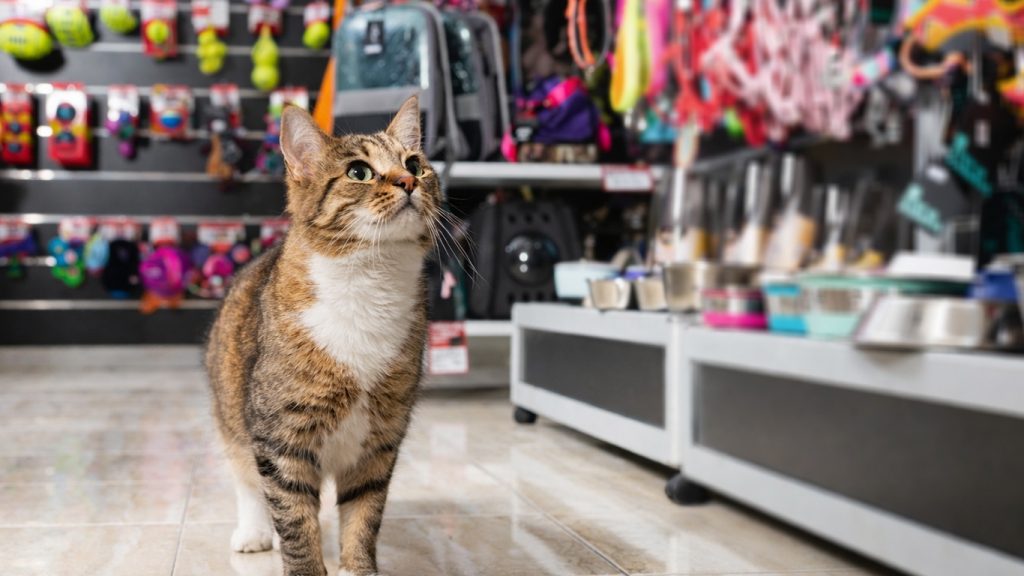
As prices increase, many consumers compare imported products with locally produced alternatives. In 2025, this comparison has become more relevant as domestic manufacturers improve both range and quality.
Imported products often carry strong brand recognition, while local products offer greater price stability. Consumer decisions increasingly depend on balancing quality expectations with budget considerations.
Price Differences Between Imported and Local Products
Locally produced pet supplies are generally more affordable than imported options. Lower production costs, reduced reliance on foreign currency, and shorter supply chains allow domestic producers to maintain more stable pricing.
However, not all product categories are fully covered by local production. Specialized diets and advanced care products may still require imports, which explains why some price gaps remain unavoidable.
Quality, Trust, and Availability Considerations
Quality perception strongly influences purchasing behavior. Imported products are often associated with consistent standards and long standing brand trust. Local manufacturers, however, have made visible progress in improving product reliability and formulation.
Availability is another key factor. Locally produced items are less affected by import disruptions, making them more reliable during shortages. In 2025, many pet owners prioritize consistent access to essential products over brand loyalty alone.
What Pet Owners Should Expect from the Market in 2025
Pet owners in Iran should expect continued price sensitivity throughout 2025. While extreme shortages are not guaranteed, gradual price increases remain likely due to ongoing economic and logistical pressures.
Consumers may see a wider mix of imported and local products as pet shops adapt their inventories. Planning purchases, monitoring market trends, and remaining flexible in brand choices can help manage expenses without compromising pet care.
How Reliable Pet Shops Manage Import and Pricing Challenges
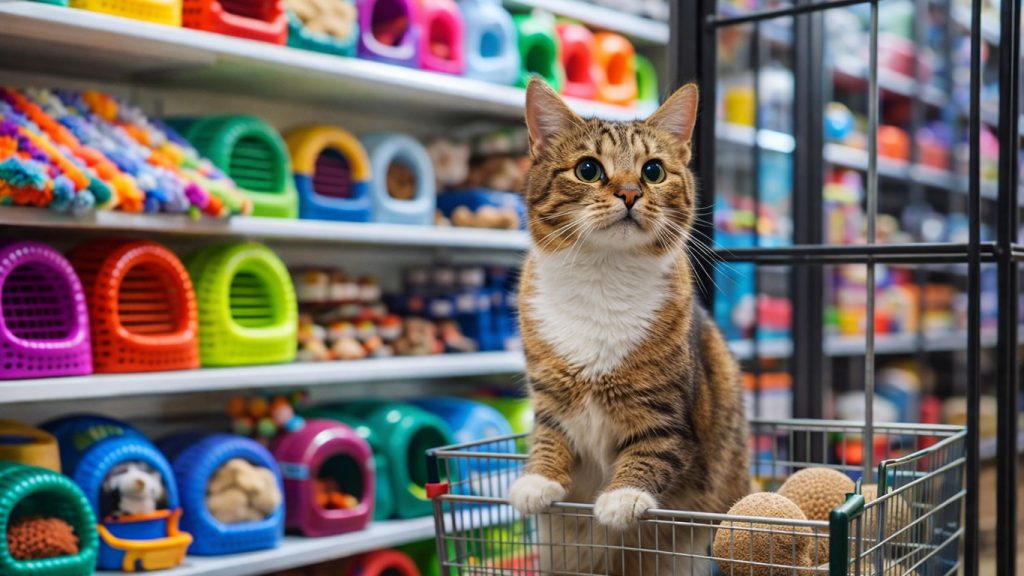
Reliable pet shops play a key role in stabilizing the market for consumers. By diversifying suppliers, balancing imported and local products, and managing inventory carefully, professional retailers reduce the impact of supply disruptions.
In 2025, trusted pet shops focus on transparency and long term planning rather than short term gains. This approach helps pet owners make informed purchasing decisions and supports a more sustainable pet market overall.
How Golba Pet Shop Collaborates with Pet Industry Companies and Importers
Golba Pet Shop is open to structured collaboration with international pet food manufacturers, regional distributors, and authorized import partners seeking long-term cooperation in the Iranian pet market.
Our approach focuses on product quality, regulatory awareness, and sustainable supply planning in line with market conditions in 2026. By prioritizing transparency and consistency, Golba aims to support stable access to dry pet food and essential pet products for consumers across Iran while building reliable partnerships with industry professionals.
Companies and import partners seeking long-term cooperation in the Iranian pet market are invited to contact Golba Pet Shop for further discussion.